

Replacing UPVC Door Locks
It can be a challenge to replace the door lock made of plastic, especially in the event that the process isn't familiar. A locksmith can help change the cylinder of your lock and improve your home's security.
To start, you'll need to take off the screw with the screwdriver. You may also use lubricant to loosen the screw.
Cylinder
It's possible that the lock's cylinder needs to be replaced if having problems with your uPVC doors. Locksmiths are able to replace the lock cylinder on your behalf. They will take care to not harm your door frame or door. They will make use of a screwdriver in order to remove the screws securing the handle's faceplate and lock cylinder. They will then remove the cylinder, and put the new one in place. This will ensure that the cylinder is in a straight line and is secure.
You'll also need to determine the type of cylinder that is used in your door. uPVC doors typically have the euro cylinder. However, you can determine the dimensions by measuring from the key's outside hole to the inside key hole (or reverse). This will give you an estimate of the cylinder’s outer diameter. Then, you can find an alternative that is the correct size.
The barrels are the inner workings of the cylinder lock. They have to be aligned to the tumblers in order to unlock the locks. To put in a barrel, you must first remove the previous one and replace it with the replacement. You will require an screwdriver as well as oil. Then, you'll have to screw the new cylinder into place and then screw the barrel back in. Once the cylinder is secured, you can test it with your key to see if it is working correctly.
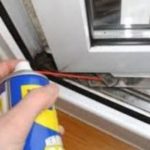
There are a variety of reasons that cause your uPVC door to fail such as conditions in the weather, improper use as well as wear and wear and tear. The most common reason is that the lock mechanism is damaged. This problem is easily fixable.
First, you'll need to open the door so that you can access the edging of the door as well as the side of the lock faceplate. Once you've gained access to the entire lock cylinder take out the retaining screws using the help of a screwdriver. The screw should be removed easily since it's typically a different color to the other screws on your uPVC doors. Once the screw is removed, you can slide out the lock on the barrel and replace it with a new one.
Barrel
Removing the barrel on your upvc door is an easy job that can be completed in only five minutes. It is also cheaper than purchasing an entire locking mechanism. This is a good option for those who have recently moved into a house or your tenant has moved out and has not returned the key or if you are looking to upgrade your security.
If your uPVC door lock isn't working, there may be an internal issue. It could be lubricated, or the internal hinges may have deteriorated. In any case it is essential to address the issue as soon as you can. Failure to do so can result in burglars getting inside your home.
There are a variety of types of uPVC doors and each requires a specific type of locking point. The most popular locking points are hooks deadbolts, and pins. Despite their differences, each one of these locking points are designed to provide the same level of security to your home. You should be aware, however, that if you have an issue with your door lock, burglars will easily find it and exploit.
To make sure that your uPVC door lock is secure, it is important to ensure that the lock cylinder is fitted. This is because the handle on the outside will not function unless it matches the size of the cylinder. If you don't know the exact dimensions of your lock cylinder, then it is recommended that you get a professional to check it for you.
Once you've found the correct cylinder, you can remove it from the door with the screwdriver. Keep the fixing screw in a safe place, as you will need it to install the new lock. The local hardware store might offer an uPVC Repair Kit. This kit can help you resolve any issues that arise with your uPVC lock.
Hinges bolts are yet another popular uPVC safety measure. These are metal pins that are fitted at the hinges on top and bottom of the door frame. This prevents the door from being pulled off its hinges, and will deter burglars.
Handle
Multipoint locks are among the most effective ways to discourage burglars. It is harder to break into a home with multiple locking points than to select a single lock. Multipoint locks utilize three different locking mechanisms, which include deadbolt, open hook and latch. This adds a new layer of security to the standard euro cylinder locks which come with UPVC door. These locks will only be efficient if they are correctly installed and maintained.
You will need to remove the handle from the door before you are able to install a multipoint lock. You can do this by removing screws using a screwdriver. Keep double glazed window lock repairs near me in a safe place since you will need them to replace the door handle. Next, you will need to measure your door handle to make sure that the new handle is of the right size for the lock. Two measurements are important The PZ measurement and the backset measurement. The PZ measurement is measured between the keyhole center and the center of the spindle hole. Always measure from the top spindle hole if there are two.
A professional locksmith will assist you if you are not sure of the correct measurement for the handle of your door made of upvc. They can also provide advice on the most suitable lock to use, as not all locks are suitable for every use. Multipoint locks provide extra security over a standard euro cylinder lock because it blocks a popular method of burglary referred to as "lock snapping". Lock snapping occurs when the cylinder is broken and the handle is released. This kind of burglary is extremely quick and simple, but can be avoided by installing your UPVC door with a lock that is anti-snap handle and lock.
The cylinders on upvc and aluminium doors are identical to those on wooden doors. It is possible to install them on wooden doors. However, it is suggested that an expert locksmith replace the barrel of the lock as it is more complex. A professional locksmith will be able to ensure that the lock is installed correctly and will be able to be opened using your key.
Lock mechanism
The lock mechanism is an essential part of a uPVC front door. Its purpose is to prevent the door from being opened by anyone who hasn't got a key. There are many different types of lock mechanisms. Each has its own advantages and drawbacks. A multipoint lock, as an example, offers increased security because it has three locking points. It also comes with dead bolts that is a good protection against burglars. You can buy a uPVC lock on the internet or in a store however, it is important to ensure that it meets your requirements.
You can easily change the lock mechanism on your uPVC door. First remove the screw that holds the door from the faceplate of the lock. It is usually different to the other screws on your door. After that, insert a new key and turn it a few times to ensure that the lock is working correctly.
If you have a uPVC door that isn't locking correctly It could be due to a variety of reasons. The hinges might be damaged or the lock mechanism may have become loose. If the lock isn't operating correctly, you should seek out a locksmith and have it repaired.
In general it is cheaper to replace just the cylinder instead of the entire lock mechanism. You can purchase a new lock from a local hardware store or locksmith. You can also locate an anti-snap lock cylinder that can stop the lock from being broken by an intruder.
To determine the size of a cylinder, you'll require a Phillips screwdriver and tape measure. You'll need to determine the distance between the retainer screw of the cam and the center of the cylindrical. The measurement must be precise since a cylinder that's not measured could not fit in the door.
It is important to determine the type of uPVC is a composite/timber or a standard uPVC. A uPVC is likely to have a white plastic-like appearance and a composite is made of wood and comes in a variety of colours and styles.